Best Music Festivals in Germany 2026
Germany runs more large-scale festivals than any other European country outside the UK. The infrastructure is serious — motorsport complexes, decommissioned airfields, permanent festival parks — and the programming spans every genre from metal to techno to hip-hop. These eight festivals represent the best of what German festival culture produces.
Rock am Ring
The Nürburgring motorsport complex in the Eifel region has hosted Rock am Ring since 1985, drawing around 90,000 across three days in early June. The lineup programs across rock, metal, alternative, and punk, with headliners that represent the genre's top tier. Rock am Ring runs simultaneously with its sister festival Rock im Park in Nuremberg — same lineup, same weekend — giving attendees a choice of setting. The Nürburgring's permanent infrastructure means reliable facilities, excellent road access, and a campground on the complex's surrounding grounds.
Hurricane Festival
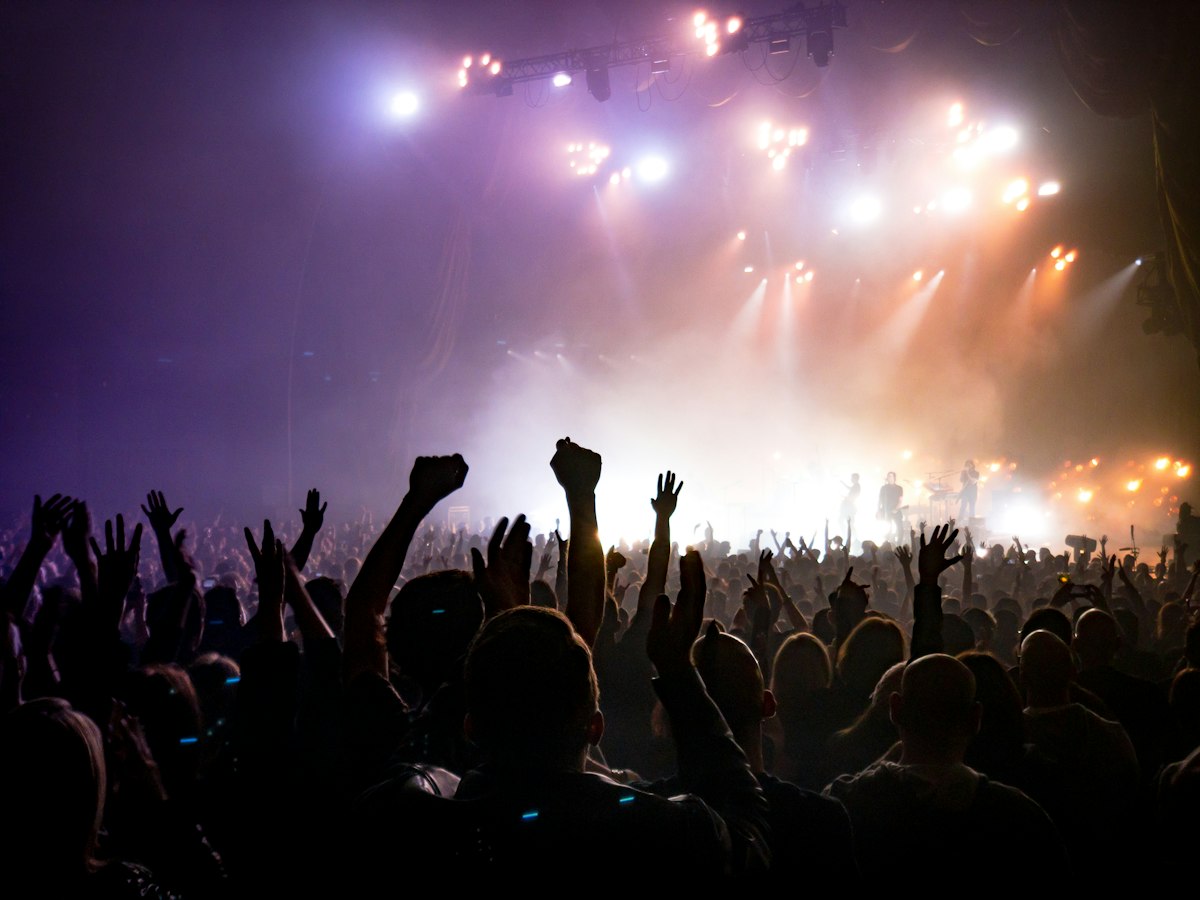
Scheeßel in Lower Saxony has hosted Hurricane since 1973, making it one of the oldest rock festivals in Europe. Around 80,000 attend across three days in late June with a lineup spanning rock, indie, punk, and alternative alongside hip-hop and electronic acts. Hurricane shares its lineup with Southside Festival in southern Germany. The site sits between Hamburg and Bremen, both reachable by regional train, and the flat northern German terrain makes for easy campground navigation.
Fusion Festival
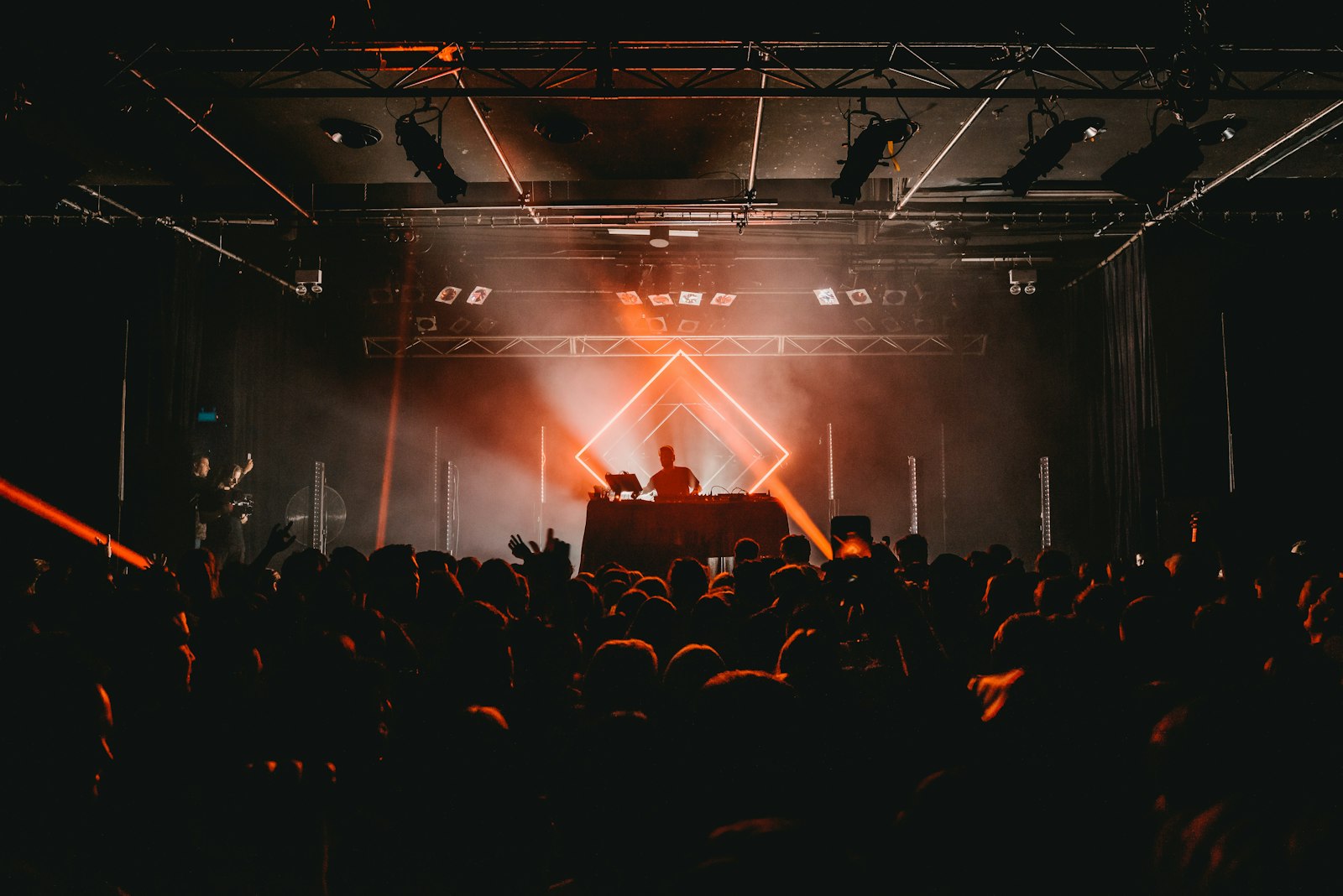
Fusion occupies a former Soviet military airfield near Lärz in Mecklenburg, drawing around 70,000 across five days in late June. The festival operates without corporate sponsors, with tickets sold at cost through a lottery system. The lineup centers on electronic music — techno, house, minimal, ambient — but Fusion is more than a music festival. Theatre, film, art installations, and workshops fill the decommissioned hangars and bunkers. The atmosphere is deliberately utopian and anarchic, with minimal security and maximum self-organization. Tickets are nearly impossible to obtain through normal channels.

Splash!
Germany's largest hip-hop festival has been running in Gräfenhainichen (near Leipzig) since 1998, drawing around 25,000. Splash! programs exclusively within hip-hop, rap, and adjacent genres — German and international acts — with production quality that matches electronic festivals twice its size. The Ferropolis open-air museum setting, surrounded by enormous decommissioned industrial machines, gives Splash! one of the most distinctive visual identities in European festivals.

Wacken Open Air
The village of Wacken in Schleswig-Holstein hosts the world's most famous metal festival every August. Founded in 1990, Wacken draws tens of thousands for a four-day celebration of heavy metal in all its subgenres — thrash, death, power, doom, black, folk, and everything between. Wacken's reputation extends far beyond Germany; it is a global pilgrimage for metal fans, with attendees traveling from every continent. The small village setting means Wacken essentially becomes the festival for the week, with local businesses, streets, and fields given over entirely to the event.
Southside Festival
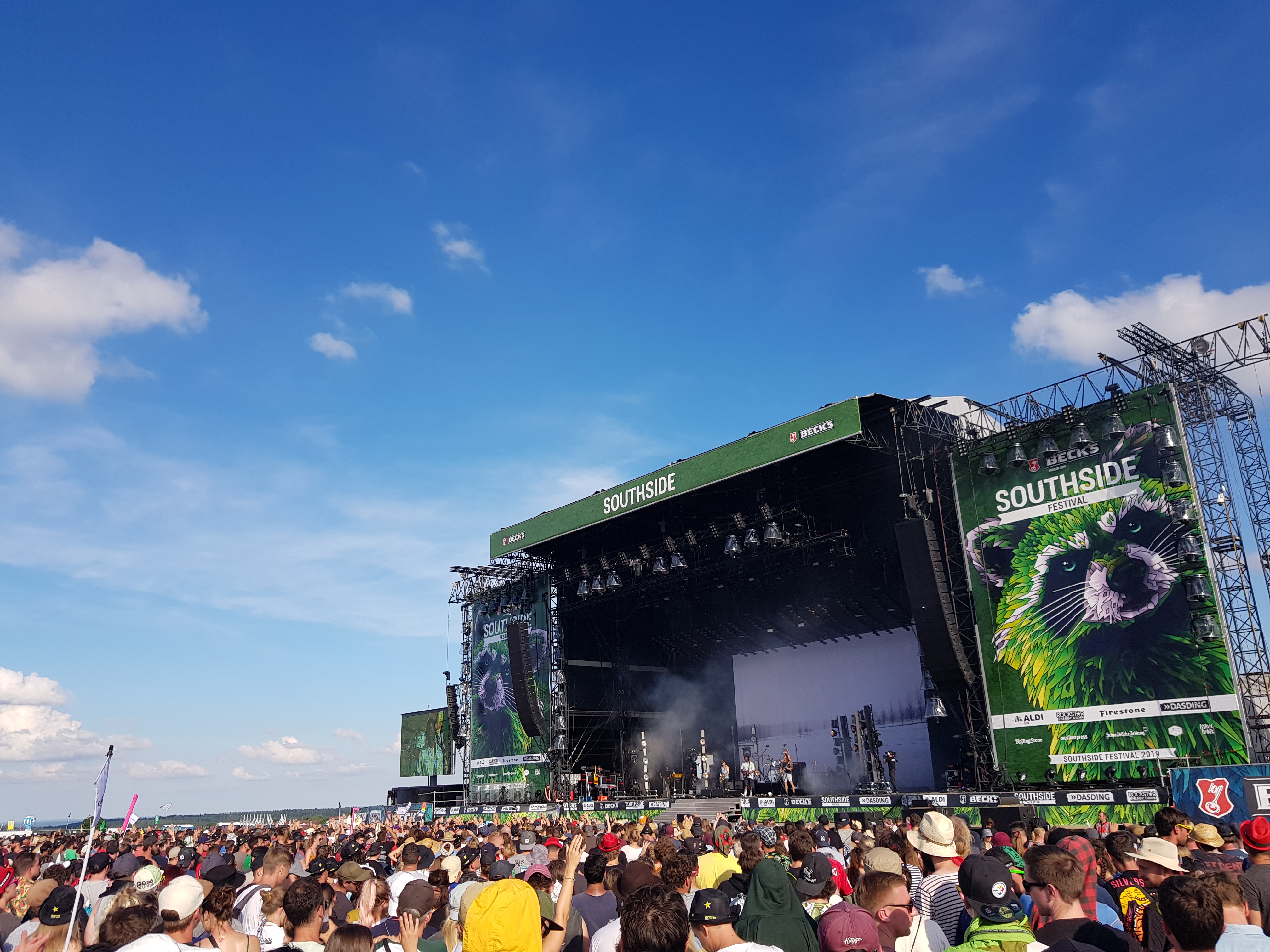
Southside in Neuhausen ob Eck (near Lake Constance in Baden-Württemberg) runs the same lineup as Hurricane on the same weekend, drawing tens of thousands across three days in late June. The southern German location offers a different landscape and climate from Hurricane's northern setting — rolling green hills versus flat plains. For attendees based in southern Germany, Switzerland, or Austria, Southside is the more accessible twin.
Nature One
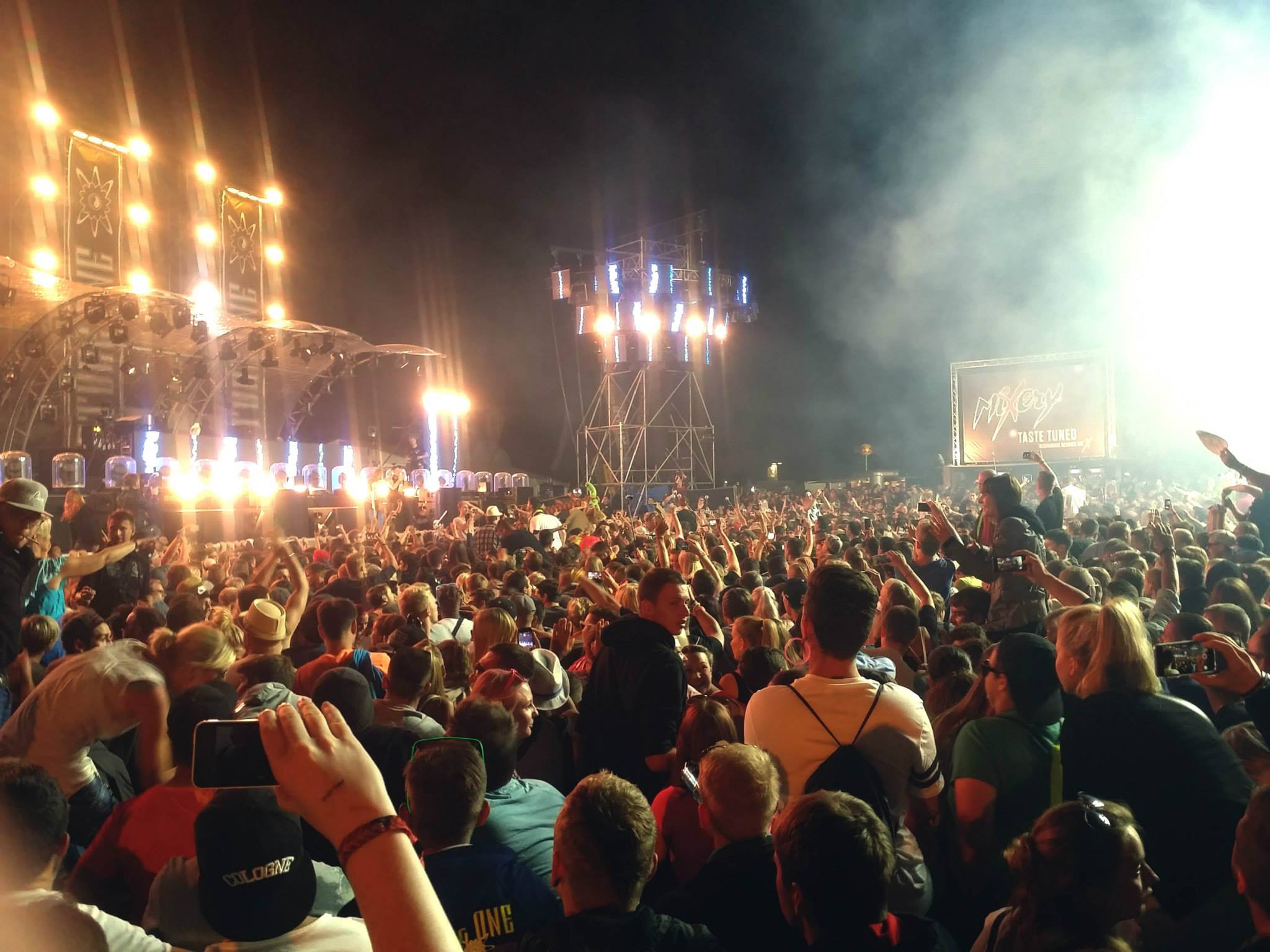
Germany's largest outdoor electronic music festival has been running at the former Pydna missile base near Kastellaun since 1995. The military-industrial setting — bunkers, concrete aprons, tower structures — provides a raw backdrop for techno, trance, house, and hardstyle across multiple stages. Nature One runs from Saturday afternoon through Sunday morning, with the overnight format creating a single extended session rather than discrete festival days.
Deichbrand
Deichbrand takes place near Cuxhaven on the North Sea coast, offering a festival setting within earshot of the ocean. The lineup mixes rock, indie, electronic, and hip-hop acts across a compact site. The coastal location means sea breezes moderate the summer heat, and the relatively small scale compared to Rock am Ring or Hurricane keeps the crowd thin enough that you can actually breathe. The campground backs onto coastal marshland, giving it a wild, end-of-the-world feeling that larger festivals don't offer.
What is the biggest music festival in Germany?+
Rock am Ring draws around 90,000, making it the largest single-site festival. Combined with its twin Rock im Park, the weekend reaches around 160,000. Hurricane and Southside together draw a similar combined total. Fusion draws 70,000 but is notoriously difficult to get tickets to.
Which German festival is best for electronic music?+
Fusion is the most culturally significant electronic festival in Germany, but tickets are lottery-only. Nature One is the largest open-access outdoor electronic event. For club-quality techno in a festival context, Berlin's various club marathon weekends (not a single event) are the closest equivalent.
Can I get to German festivals by train?+
Most major German festivals are reachable by Deutsche Bahn. Hurricane (Scheeßel station), Rock am Ring (Adenau/Nürburgring shuttle), and Splash! (Gräfenhainichen) all have train connections with shuttle buses to the festival grounds. Germany's extensive rail network makes festival-hopping by train practical.