Best Techno Festivals in Europe 2026
Europe's techno festival circuit is genuinely unlike anything else in music. It's not just that the events are well-organized or the lineups are good — it's that the culture around them is different. People plan their summers around a single weekend in Mannheim or a three-day stretch in Amsterdam. They know the DJ schedules by heart before tickets even go on sale. The music matters here in a way it doesn't at multi-genre festivals where techno gets squeezed onto a secondary stage between pop acts.
These ten festivals are the ones worth booking flights for. They range from 10,000-person warehouse events to multi-stage outdoor gatherings of 50,000+, but they share a common trait: the music is the point. No carnival rides, no branded stages that upstage the DJs. Just serious programming, proper sound systems, and crowds that actually know what they're listening to.
Dekmantel
Dekmantel's reputation has been earned slowly and stubbornly. Every August, around 10,000 people gather at Amsterdamse Bos — a park on Amsterdam's outskirts that doubles as a nature reserve — for what's become the standard-setter for underground electronic programming in Europe. The park setting matters: stages are spread through forested clearings, so the sound doesn't bleed between areas. No spectacle, no pyrotechnics. The Funktion-One rigs do the talking.
The programming is where Dekmantel earns its reputation. They consistently book artists who sit at the intersection of techno, electro, ambient, and experimental club music — people like Objekt, Puce Mary, Tessela, and DJ Stingray alongside the bigger names. The festival extends beyond its main weekend with Dekmantel Selectors and Connects events throughout Amsterdam, making it a full week for anyone who goes deep. It's not trying to be the biggest. It's trying to be the best.
Awakenings
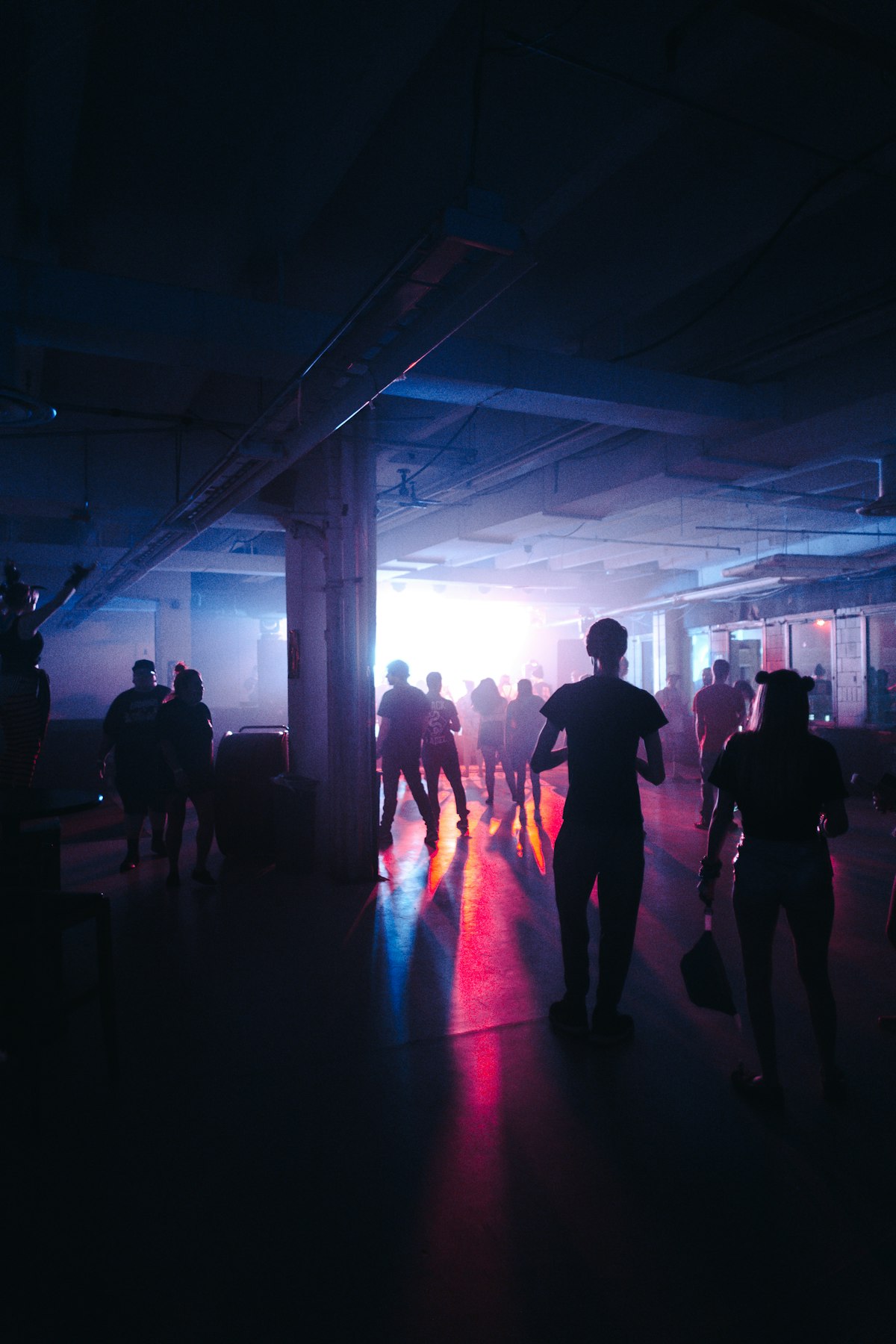
Awakenings has been defining the Dutch techno scene since 1997, and its annual festival has grown from a single club night into a multi-edition outdoor event that draws around 55,000 across its June weekend at Spaarnwoude near Amsterdam. The crowd leans serious — plenty of regulars who've been coming for a decade, and an international contingent who treat Awakenings as an annual pilgrimage.
What makes Awakenings different is the consistency of its booking policy. They don't chase pop crossover names or chase trends. The lineups year after year feature hard techno heavyweights, industrial-influenced artists, and a strong selection of Dutch and German talent. Charlotte de Witte, Amelie Lens, Adam Beyer, and Richie Hawtin are regulars. The stages run deep into the night, and the production quality — sound, lighting, stage design — is several levels above what you'd expect from a festival at this capacity. There's also a separate Awakenings ADE edition during Amsterdam Dance Event in October, which is smaller and club-focused.
Time Warp
Every April, roughly 20,000 people descend on Mannheim's Maimarkthalle for Time Warp, a festival that has been running in some form since 1994 and still functions more like a very long club night than an outdoor festival. It's entirely indoor. No camping, no outdoor stages, no grass. You're inside a convention center complex for twelve-plus hours, and that's the appeal.
The Mannheim edition runs across multiple halls, each with distinct programming and sound design. Floor 1 typically carries the headliners — Sven Väth (who's been involved since the beginning), Richie Hawtin, Jeff Mills — while smaller rooms go deeper and darker. The crowd is predominantly German and Austrian, older on average than most festivals, and genuinely focused on the music. People don't stand at the back with drinks. They're on the floor, for hours. Time Warp also runs an annual edition in Buenos Aires, but Mannheim is the original and the one that counts.
Sónar
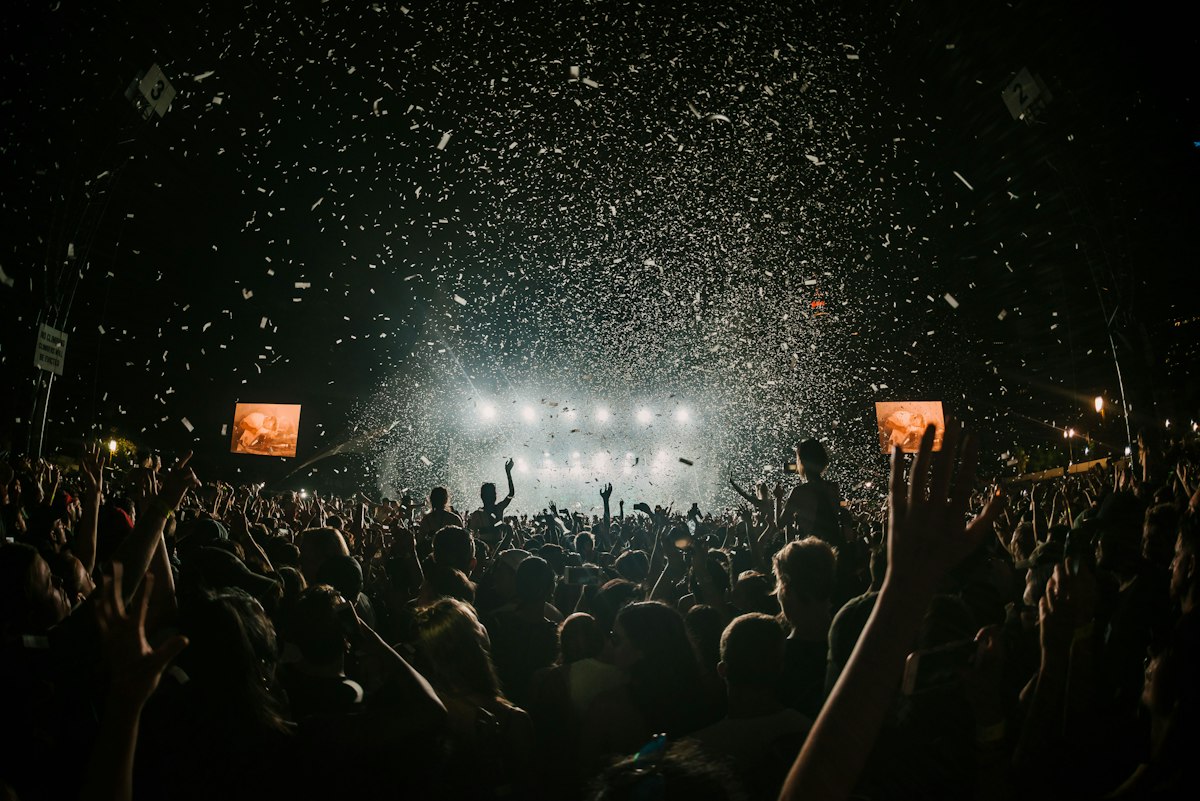
Sónar sits slightly apart from the rest of this list because it's never just been a techno festival. Since its first edition in Barcelona in 1994, it's positioned itself at the intersection of electronic music, experimental sound, and technology. That crossover can be frustrating if you want a pure techno lineup, but it's also what makes Sónar genuinely interesting rather than just reliable.
The festival splits across two venues and two time frames. Sónar by Day at Fira Montjuïc runs afternoon sessions with live AV performances, modular synth sets, and experimental electronics. Sónar by Night at Fira Gran Via (a much larger venue about twenty minutes away) runs the headline techno and house programming from midnight to 6 AM. Around 60,000 attend across the June weekend. The Sónar+D conference runs in parallel, attracting music technology developers and industry professionals who give the whole event an intellectual atmosphere you don't get at most festivals. Barcelona in June doesn't hurt either.

Melt!
The setup at Melt is something you can't replicate anywhere else: a former open-cast mining operation in Saxony-Anhalt, Germany, where enormous rusted excavators and industrial cranes have been left standing as permanent monuments. The festival has been held at Ferropolis since 1997, and the landscape makes every other festival backdrop look boring by comparison. Stages are built around and between the machinery. The lake that formed when the mine flooded reflects the light shows back across the water.
Melt caps attendance around 25,000 and runs in July, typically the second weekend. The music spans techno, house, indie electronic, and experimental, with the programming leaning more eclectic than a pure techno festival. That's the trade-off: you'll get Ricardo Villalobos on one stage and a German indie band on another. For some people that's a feature. The camping ground is genuinely well-run, the site is compact enough that you can walk everywhere easily, and the combination of industrial heritage and summer nights makes it one of the most atmospheric festivals anywhere.
Fusion
Fusion doesn't advertise. It doesn't have a press office or a social media strategy. Tickets aren't sold commercially — they're distributed through a lottery system to people within the established community, and scalping is actively policed. The festival has been running since 1997 at a former Soviet airbase in Lärz, in the Mecklenburg lake district of Germany, drawing around 70,000 people who've either been coming for years or managed to get lucky in the ballot.
The anti-commercial stance is real, not a marketing angle. There's no sponsorship, no VIP areas, no corporate branding. Prices for food and drinks are kept intentionally low. The music runs non-stop across multiple stages for six days, covering techno, ambient, psytrance, experimental, and everything adjacent. The site — hangars, runways, outdoor clearings — has been transformed over decades into a genuinely unique space. If you can get tickets, you go. There's nothing else like it.

Kappa FuturFestival
Turin doesn't get enough credit as a techno destination. Kappa FuturFestival, held at Parco Dora in July, happens in a former industrial park on the northwestern edge of the city — the kind of space that's been turned into a public park but still has the bones of its factory past: exposed steel structures, concrete canopies, a general sense of industrial weight that suits the music perfectly.
Capacity is around 40,000 across the two-day event, and the lineup is reliably excellent — it's one of the few southern European festivals that programs at the level of its northern counterparts. Ben Klock, Marcel Dettmann, Paula Temple, and similar artists are regular bookings. The stages are built into and around the park's existing structures, which creates genuinely interesting sound environments. Turin itself rewards a few extra days: the food scene is seriously underrated, and the city is compact and easy to navigate on foot.
EXIT
EXIT has been running at Petrovaradin Fortress since 2000, and the venue is legitimately extraordinary. The fortress sits on a 40-meter cliff above the Danube in Novi Sad, Serbia, with a layout of tunnels, ramparts, moats, and open plazas that creates a festival environment unlike any convention center or park. Stages are scattered across the fortress at different elevations, which means the sound is isolated naturally rather than by engineering.
Around 200,000 people attend EXIT across its four July days, making it one of the largest festivals in southeastern Europe. The music program covers a wide range — mainstage acts, hip-hop, electronic, rock — but the Dance Arena stage, which runs through the night in a natural amphitheater within the fortress walls, is one of the best techno venues in Europe for those four days. Nina Kraviz, Adam Beyer, and Maceo Plex are regular Dance Arena headliners. Serbia is cheap, the fortress is extraordinary, and July in Novi Sad is reliably warm.
Nuits Sonores
Most cities have a music festival. Lyon has Nuits Sonores, which is something genuinely different: a city-wide event that takes over warehouses, art spaces, metro stations, riverside venues, and industrial sites across the city for five days each May or early June. Around 40,000 tickets are sold, but because events happen simultaneously across multiple sites, it never feels crowded in the way a traditional festival does.
The programming covers techno, house, experimental electronic, and art-music crossovers, with an emphasis on artists who don't always get festival bookings — leftfield producers, live hardware acts, and experimental club music sit alongside more recognizable names. The city itself becomes part of the experience: you're moving between venues on foot and by tram, eating at restaurants, staying in hotels rather than in a field. It's a different relationship with the music than you get at a camping festival, and for some people it's a much better one.
Outlook Festival
Outlook is the odd one out on this list — it's not a techno festival. It's the leading European gathering for soundsystem culture: dub, jungle, drum & bass, garage, grime, dubstep, and all the music that runs through the same DNA as that tradition. It belongs here because the culture around Outlook overlaps heavily with the techno world, and because it's genuinely one of the best-run festivals in Europe.
The event takes place at a coastal fortress in Croatia (the specific site has shifted over the years but has settled in the Pula area), running four days in late August or early September. The capacity is around 15,000. Stages are built into the fortress tunnels, on the beach, and in open-air arenas, with Funktion-One systems throughout and a genuine commitment to bass-weight sound. Artists like Shy FX, Goldie, Kode9, LTJ Bukem, and a rotating cast of UK soundsystem legends are annual fixtures. If you've never been to a festival where the sound system is treated as the instrument, Outlook is where to start.
Europe's techno circuit has more depth than most people realize. The obvious names — Berghain, Fabric, Tresor — get most of the press, but the festival culture around them is equally serious, and in some ways more accessible. You don't need to navigate Berlin club doors or membership policies. You buy a ticket, you show up, and the music does the rest.
The festivals on this list all have one thing in common: they were built by people who cared about the music first. That sounds obvious, but it's actually rare. Most large events are built by promoters who care about ticket sales and add music as a draw. The best European techno festivals work the other way around, and you can feel it in every detail — the staging, the sound, the booking choices, the attitude of the crowd. That's worth a flight.
When do Dekmantel and Awakenings take place in 2026?+
Dekmantel typically runs in late July or early August in Amsterdam, with the 2026 edition expected in the first week of August. Awakenings Festival runs in late June at Spaarnwoude near Amsterdam. Both festivals release their exact dates and lineups in the first quarter of the year.
Is Time Warp an outdoor or indoor festival?+
Time Warp is entirely indoor. The Mannheim edition takes place at the Maimarkthalle convention center complex, with multiple halls running simultaneous programming. There's no outdoor stage, no camping, and no weather dependency — which is part of why it functions more like an extended club night than a traditional festival.
How do you get tickets to Fusion Festival?+
Fusion doesn't sell tickets publicly. Access is through a community-based lottery system, and tickets can't be purchased on the secondary market without risking entry denial. The best way in is to know someone already within the Fusion community, or to participate in the cultural organization (Kulturkosmos) that runs the event.
Which European techno festival has the best venue?+
That's a genuinely competitive field, but Petrovaradin Fortress at EXIT Festival in Serbia is hard to argue against — a 17th-century military fortress on a cliff above the Danube, with natural acoustic separation between stages and a setting that no architect could design from scratch. Ferropolis at Melt is a close second for the industrial mining machinery backdrop.